
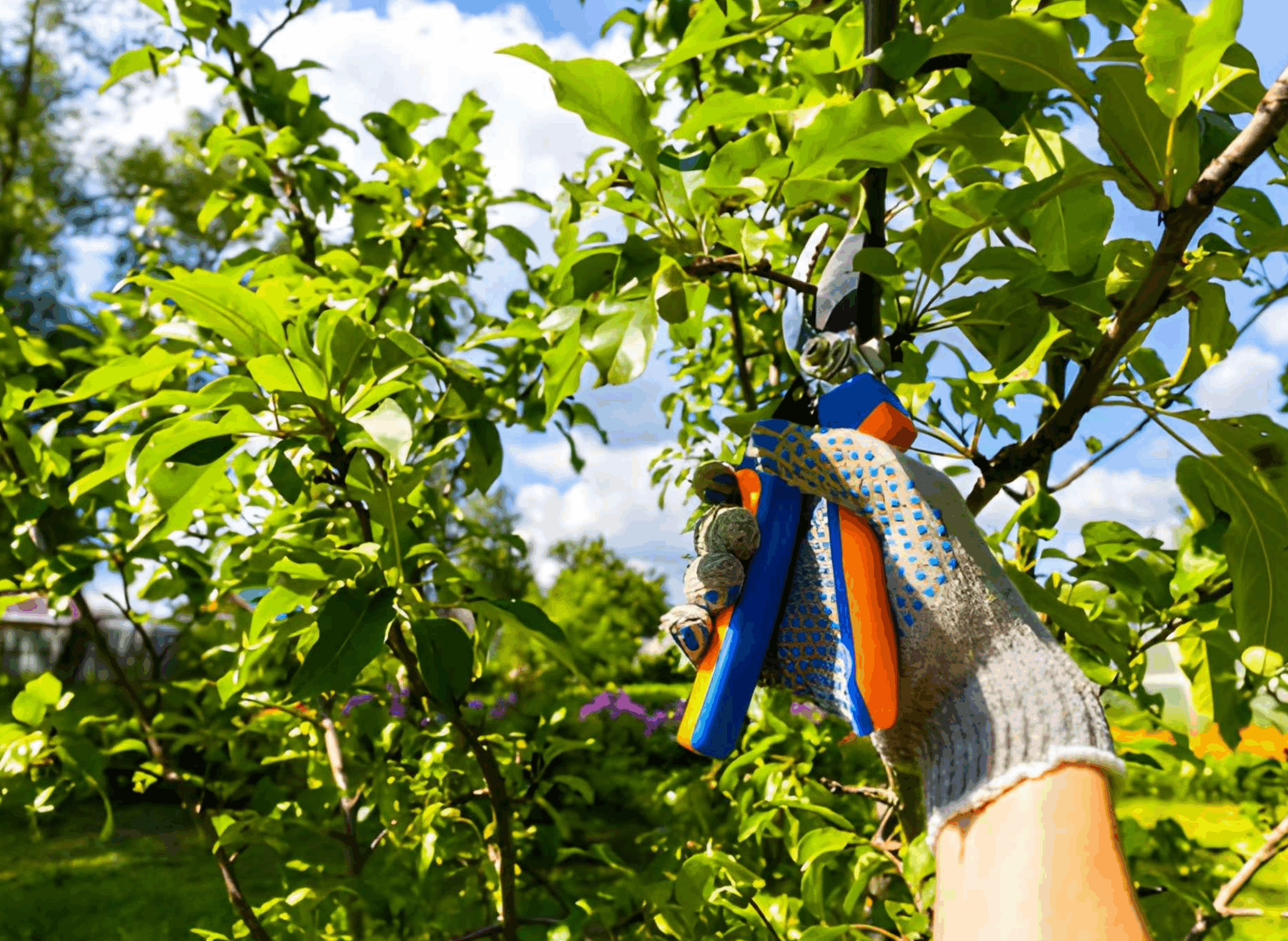
In the Portland, Oregon area, professional tree pruning isn’t just “worth it,” it’s the safest, most reliable way to protect your landscape investment. Many people avoid professional tree pruning due to the high cost. This blog is for you, with pro tips to get the best price.
In this guide, we’ll walk through why expert pruning matters, what it costs, why pricing varies, and how to save money without compromising your trees’ health.
What Exactly Is Professional Tree Pruning?
Professional pruning is more than cutting limbs. At MonkeyMan, our ISA-certified arborists follow industry standards that balance tree biology, structural integrity, and long-term growth patterns. When done incorrectly, pruning can permanently stunt or even kill a tree, especially fruit trees and ornamentals.
Is It Worth Hiring a Professional Tree Pruner?
In short: Yes, especially if you care about longevity and the safety of your tree.
Here’s why hiring a pro is worth it:
1. Safety comes first
Pruning often involves ladders, chainsaws, and cutting heavy branches overhead. Every year, homeowners suffer severe injuries attempting DIY pruning. Professionals use ropes, harnesses, and precision tools that keep both you and your property safe.
2. Proper cuts prevent long-term damage
Pruning too much, too late, or in the wrong location can cause:
- Bark tearing
- Disease entry
- Decay pockets
- Stunted growth
- Sunscald
Professionals know exactly where, how, and when to make cuts based on species and age.
3. Fruit trees need specialized pruning
Improper DIY cuts on fruit trees can lead to:
- Reduced fruit production
- Weak or crowded branches
- Increased pest pressure
- Poor airflow and fungal issues
A certified arborist can prune to maximize yield while preserving structure.
4. You protect your investment
Trees increase property value by 7–15%. One bad pruning session can undo decades of growth.
Professional Tree Pruning Techniques
Now that you know the benefits of professional tree pruning, let’s take a look at how professionals achieve the desired results in real life. We have also shared what tools we used in general pruning sessions.
- Crown Cleaning
Removes dead, diseased, and broken limbs to prevent decay spread and improve overall tree health. - Crown Thinning
Selective removal of interior branches to increase airflow and light penetration. This reduces wind resistance and lowers the risk of storm damage. - Crown Raising
Lifts the canopy by removing lower limbs. Often done to improve visibility, provide clearance for walkways or structures, or balance the tree’s form. - Crown Reduction
Reduces overall crown size by cutting back to healthy lateral branches, NOT topping. Used for trees growing too close to roofs, power lines, or structures. - Structural Pruning
Corrects weak branch unions, competing leaders, crossing limbs, and poor growth patterns, especially important for young trees. - Fruit Tree Pruning
Encourages production by improving spacing, removing water sprouts, and shaping scaffolding branches for strength and yield.
Tools Used in Professional Tree Pruning
Hand Pruners
For small twigs and precision cuts that won’t damage bark.
Loppers
Long-handled cutters for thicker branches (1–2 inches).
Pruning Saws
Curved, sharp saws designed for smooth cuts on medium limbs.
Pole Saws & Pole Pruners
Allow high reach from the ground, safer and more controlled than ladders.
Chainsaws
Used only when necessary for large limbs or hazardous removals. Pros use top-handle or rear-handle saws depending on the job.
Climbing Gear (harnesses, ropes, carabiners, saddles)
Allows arborists to access the canopy safely without spiking the trunk (spikes are only used for removals).
Aerial Lifts / Bucket Trucks
Used for tall, inaccessible, or hazardous trees to improve precision and safety.
Wood Chippers
Process removed limbs for cleanup and mulch production.
Why is tree pruning expensive?
Because it includes:
- Professional climbing or aerial lift operation
- Insurance and safety gear
- Skilled labor and certified arborists
- Debris removal and wood disposal
- Time-consuming precision work
Tree service is one of the most safety-intensive trades, which is why the cost reflects both expertise and liability.
What is the Cheapest Time of Year for Tree Pruning or Removal?
In Portland, the cheapest season is winter (December–February) because:
- Trees are dormant
- Visibility is better without leaves
- Risk is lower
- Demand drops, reducing pricing
Many companies, including MonkeyMan, offer winter discounts.
How to Negotiate Tree Trimming or Pruning
We get it, tree service can get expensive for many households. So here are some smart ways to negotiate tree pruning cost-
- Can I bundle multiple trees for a better rate?
- Is there a discount for winter scheduling?
- Can you leave the wood onsite to lower disposal fees?
- Is regular maintenance cheaper than one-time corrective pruning?
Most reputable companies will gladly work within your budget when possible.
Should I Prune My Tree or Remove It?
Sometimes pruning isn’t enough. You may need removal if:
- More than 40% of the canopy is dead
- There’s severe trunk decay
- The tree is leaning dramatically
- Roots are lifting sidewalks or threatening foundations
- Storm damage compromised structural integrity
If you’re unsure, ask an arborist to evaluate safety risks before deciding.
Final Thoughts: Healthy Trees Start With Expert Hands
Professional tree pruning is a long-term care for one of your property’s most valuable assets. Whether you’re maintaining a beloved fruit tree or managing large hardwoods, expert service will pay off. If you’re in the Portland, Oregon area and want expert pruning, clear pricing, and honest recommendations, MonkeyMan Tree Service is here to help.
Get a free quote and keep your trees healthy, safe, and beautiful year-round.